Tubing Anchors, Anchor Catchers and No-Turn Tools
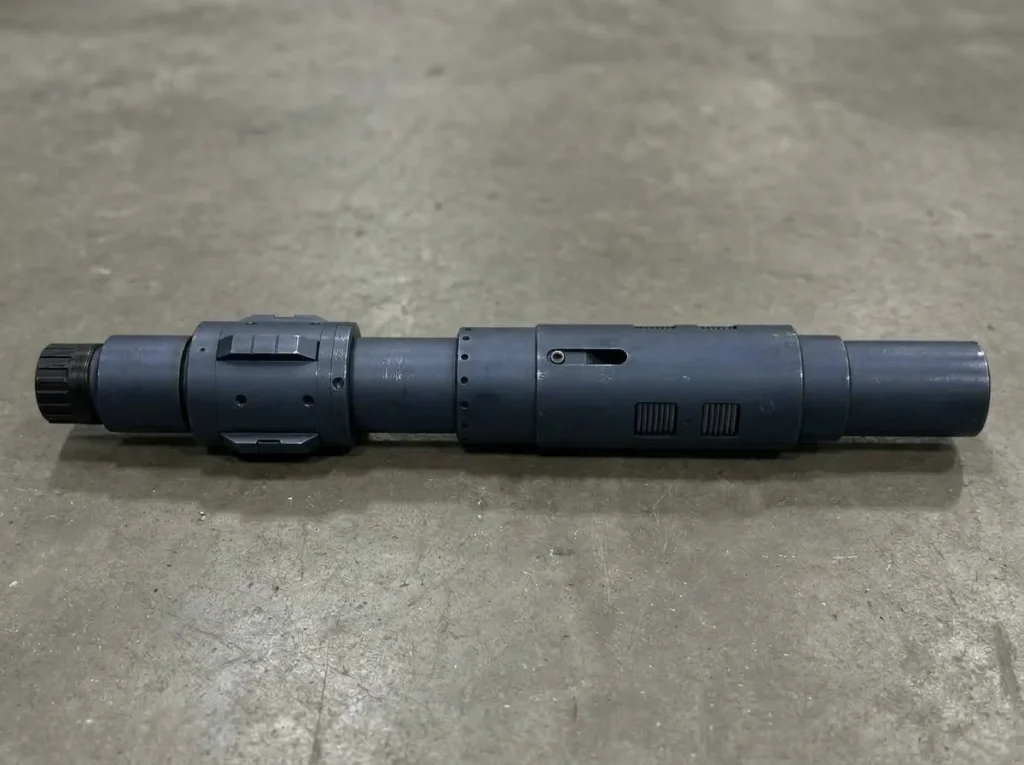
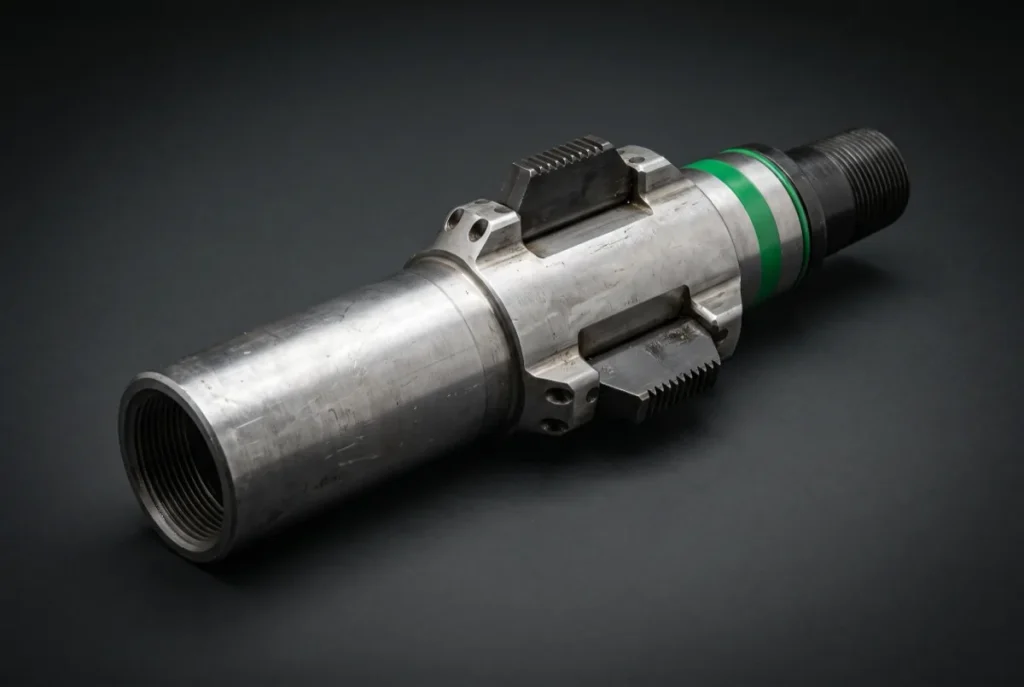
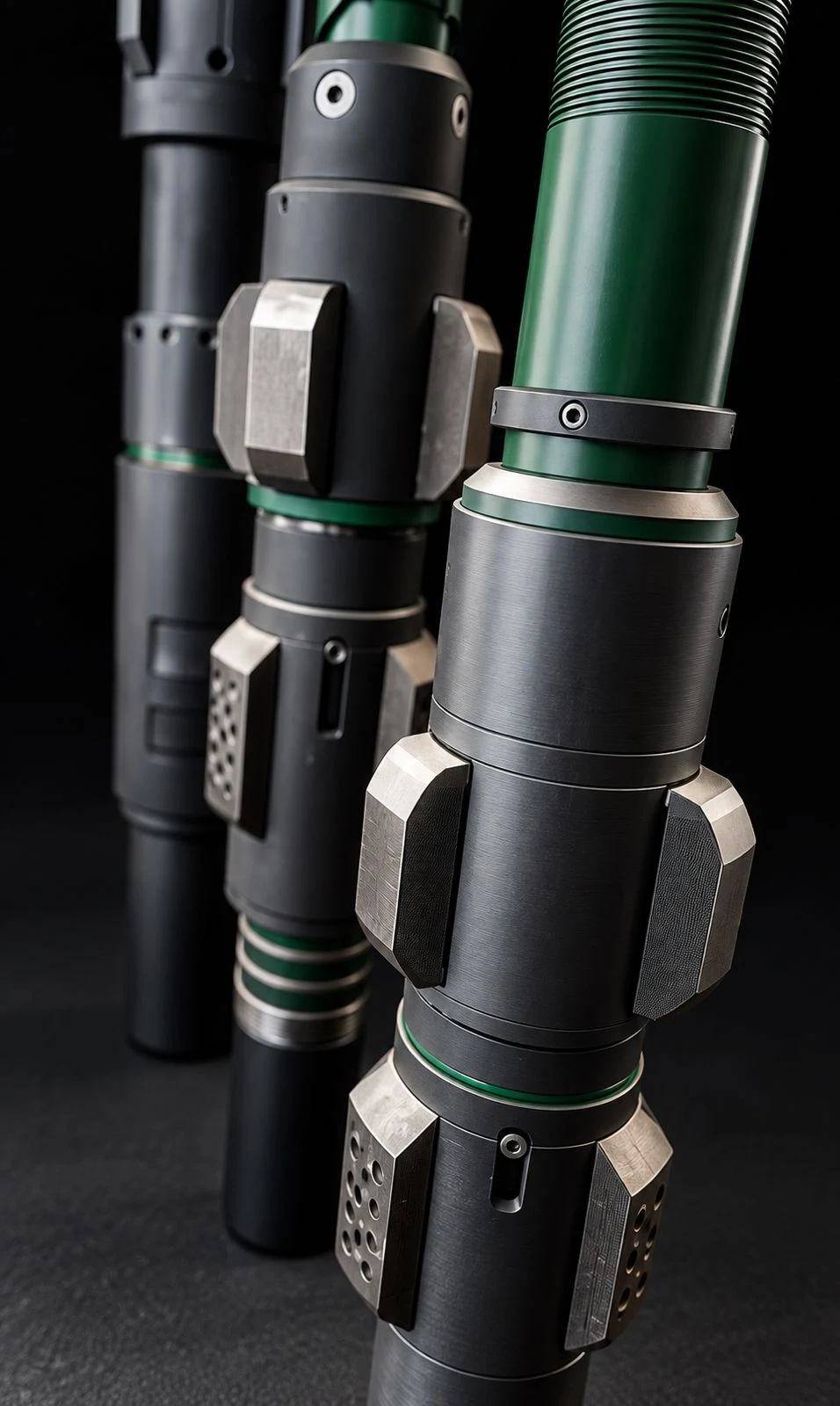
Anchor catchers and tubing anchors hold the string in place, and no-turn tools stop rod rotation.
Anchors, no-turn tools and drain subs
Tubing anchors hold the string in tension or compression depending on the well. Tension-safe tubing hangers and conventional safe tension tools are also available.
Tubing Anchors
Conventional and quarter-turn anchors set with tubing rotation; hydraulic anchors set on pressure where rotation isn’t practical.
No-Turn Tools
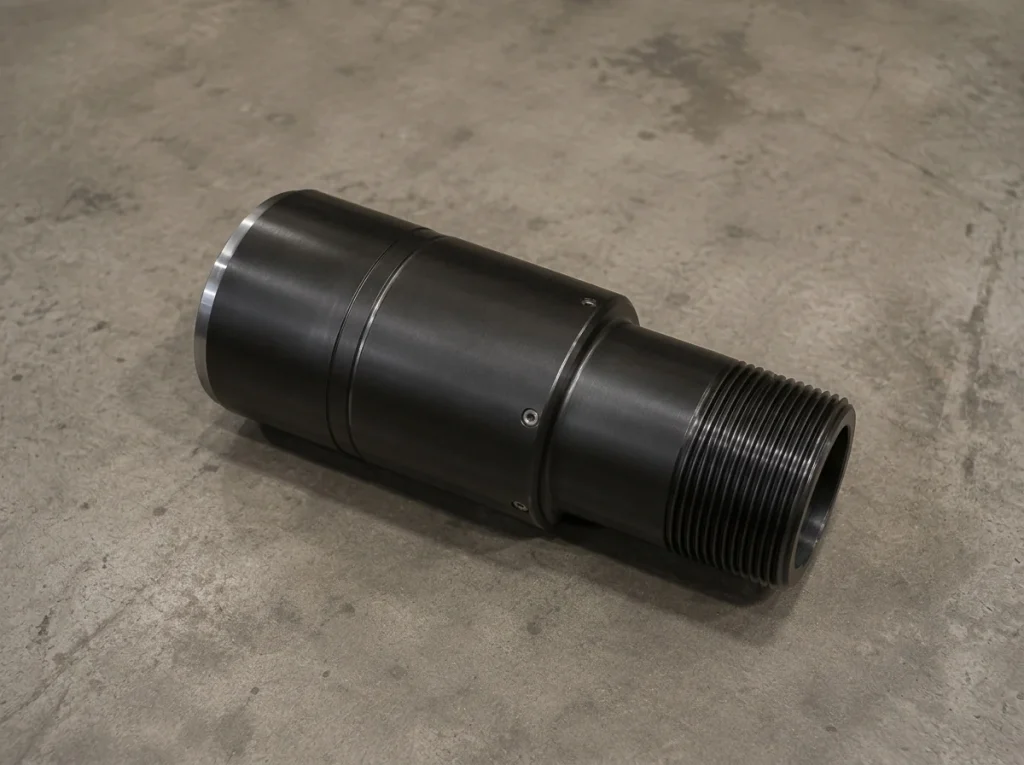
Stops rod string rotation without anchoring the tubing itself.
Tubing Drain Sub
Opens on command so the tubing is not pulled wet.
Available Types
| Tool | Type | Configuration |
|---|---|---|
| C-1 Tubing Anchor Catcher | Anchor catcher | Mechanical set |
| Quarter Turn (QTC) Anchor Catcher | Anchor catcher | Quarter turn set / release |
| Conventional Tubing Anchor | Tubing anchor | LHS or RHS |
| Quarter Turn Tubing Anchor | Tubing anchor | LHS or RHS |
| Hydraulic Tubing Anchor | Tubing anchor | Hydraulic set |
| No-Turn Tool | Rod string | Anti-rotation |
Left or right hand set is determined by the pump and rod string.
What happens when the string moves
Tubing anchors rarely get much attention until one fails. A string that moves under load wears the casing, buckles the tubing and shortens pump life, and by the time it shows up on a dynamometer card the damage is already done.
Dan’s holds the full range because the right anchor depends on the well: rod pumping wells that rotate, wells where hydraulic setting is the only practical option, and wells where the problem is rod rotation rather than tubing movement.

Anchors in the Tools Catalogue
The QTC and C-1 anchor catchers and the tubing drain sub are specified in the Tools Catalogue, pages 36 to 39.
Anchoring a rod-pumped well?
Dispatch 24/7.